
Bullying remains one of the most pressing issues in school environments today. It is often dismissed as “kids being kids,” but the impact can be long-lasting. It affects emotional well-being, confidence, academic performance, social behaviour, and even long-term self-identity.
In Malaysia, schools are not only responsible for academic results — they also shape how young people learn respect, empathy, and responsible behaviour. That is why anti-bullying awareness should be treated as a core part of student development, not a one-off assembly topic.
What bullying looks like in schools today
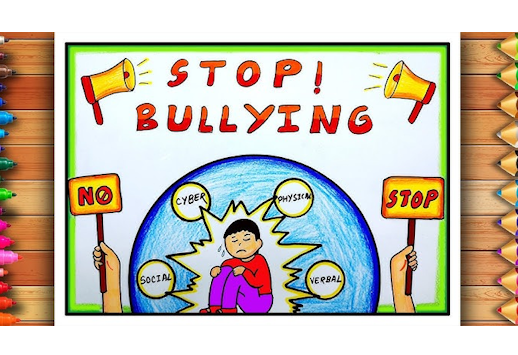
Bullying is not always obvious. Students, teachers, and parents may notice the effects before they identify the cause. Understanding the main forms helps schools respond faster and more effectively.
Verbal bullying includes teasing, name-calling, and mocking. It may seem minor, but repeated verbal attacks can reduce self-esteem and make students withdraw from class participation.
Social bullying involves exclusion, spreading rumours, and deliberate isolation. Victims often feel unwanted or invisible, even when no direct insult is used.
Cyberbullying happens through harmful messages, posts, or group chats online. Unlike traditional bullying, it can continue outside school hours — making it harder for students to feel safe anywhere.
When schools recognise these patterns early, they can intervene before behaviour escalates.
The hidden issue: silence from bystanders
One of the biggest challenges in bullying prevention is not only the bully or the victim — it is silence.
Many students witness bullying but do not act. Common reasons include:
- Fear of becoming the next target
- Not knowing what to say or do
- Worrying they will make the situation worse
- Assuming someone else will step in
Silence allows bullying to continue — and sometimes to grow. Bystanders are not neutral; when they stay quiet, the message sent to the victim is that the behaviour is acceptable.
Anti-bullying awareness helps students understand that safe, appropriate action is part of being a responsible peer — not being a “troublemaker.”
Why anti-bullying awareness matters
Awareness programmes do more than tell students “bullying is wrong.” They help young people build the skills to prevent it in daily life.
Strong awareness efforts can:
- Build respect, kindness, and empathy
- Help students understand the real impact of words and actions
- Encourage self-reflection before reacting in conflict
- Develop emotional intelligence — including self-awareness and empathy
- Improve communication skills so disagreements do not turn into repeated harm
When students understand why bullying hurts — and how to respond — schools create a culture where safety and learning go together.
The role of schools in bullying prevention
Schools play a central role, but awareness works best when it goes beyond posters and lectures.
Effective school approaches often include:
- Open discussions using real-life scenarios
- Role-playing activities so students practise responses safely
- Group activities that build trust and inclusion
- Learning through experience, not theory alone
This is where experiential learning makes a difference. When students practise standing up for others, managing conflict, or speaking with respect, they are more likely to use those skills in real situations.
Structured programmes — such as youth development camps — also give schools a safe space to build confidence, teamwork, and emotional resilience. Crossurvive designs these programmes for students aged 10–18, with facilitators who ensure every student is included — including quieter or first-time participants.
Explore all school programmes designed for Malaysian schools.
Empowering bystanders: what students can do safely
Students do not need to confront bullies aggressively to make a difference. Safe and effective bystander actions include:
- Supporting the person being bullied — check in privately, stay with them, or include them
- Reporting the incident to a teacher, counsellor, or trusted adult
- Refusing to join in, laugh, or share harmful content online
- Speaking up calmly when it is safe to do so
Schools should teach what to do and when to involve adults — so students feel prepared, not helpless.
Building a stronger school culture
A strong anti-bullying culture helps shape better character. Students become more emotionally aware, socially responsible, and respectful toward others.
When students feel safe, they are more confident to learn, grow, and build positive relationships — in school and beyond.
If your school is planning a camp, leadership programme, or student development activity focused on respect and teamwork, contact Crossurvive to discuss a tailored programme for your students.
Frequently Asked Questions
What is anti-bullying awareness in schools?
Why is cyberbullying especially harmful?
What can schools do besides punishment?
How can experiential learning help with bullying prevention?
Does Crossurvive run programmes related to student character and respect?
Yes. Crossurvive delivers youth camps and school programmes across Malaysia focused on leadership, teamwork, communication, and positive youth development.